- Home
- Informtion
- News
- Quitting smoking is justified at any age.
- Home
- Informtion
- News
- Quitting smoking is justified at any age.
Quitting smoking is justified at any age.
27.12.2024
Every year, on the initiative of the International Union against Cancer, Non-Smoking Day is held on the third Thursday of November, aimed primarily at the prevention of cancer, the risk factor for which is the consumption of tobacco and nicotine-containing products.
According to the results of the study presented in STEPS: prevalence of risk factors for noncommunicable diseases in the Republic of Belarus, in 2020, 26.7% of the population in our republic use tobacco products. Of particular concern is the use of heated tobacco products, which is more common among young people (18-29 years old) and accounts for 7.6%.
An estimated 9.4% of youth (8.9% boys, 9.9% girls) aged 13-15 years smoke cigarettes (CDC, 2015). There is a decrease in the average age of smoking initiation: in the age group of 18-29 years, the average age of smoking initiation was 16.4 years, in the age group of 60-69 years – 19.3 years (WHO Regional Office for Europe, 2017c). This trend leads to an increase in patients with cancer.
According to the World Health Organization, smoking causes about 85% of all lung cancers, the deadliest type of cancer in the world.
For reference: LUNG CANCER is the second most commonly diagnosed type of cancer and the leading cause of cancer death worldwide, claiming the lives of about 1.8 million people each year. The most important risk factor for developing this disease is tobacco smoking."
Scientists from the University of Santiago de Compostela and the International Agency for Research on Cancer (IARC) have reported that banning the sale of tobacco products WILL SAVE the LIVES of more than a million people worldwide (The Lancet Public Health magazine).
In the scientists' research scenario, tobacco sales were banned for people born between January 1, 2006 and December 31, 2010. They assessed the impact of the tobacco-free generation on lung cancer mortality in a cohort of people from 185 countries.
Globally, the implementation of the tobacco-free generation can prevent more than 1.1 million deaths (40.2%) from lung cancer among people born between January 1, 2006 and December 31, 2010.
Nevertheless, the authors of the IARC study emphasize that the tobacco-free generation policy is not enough to address the harmful effects of tobacco on health, especially for current smokers. They also called for proven measures such as higher taxes on cigarettes and the creation of more smoke-free zones, as well as support for smoking cessation efforts.
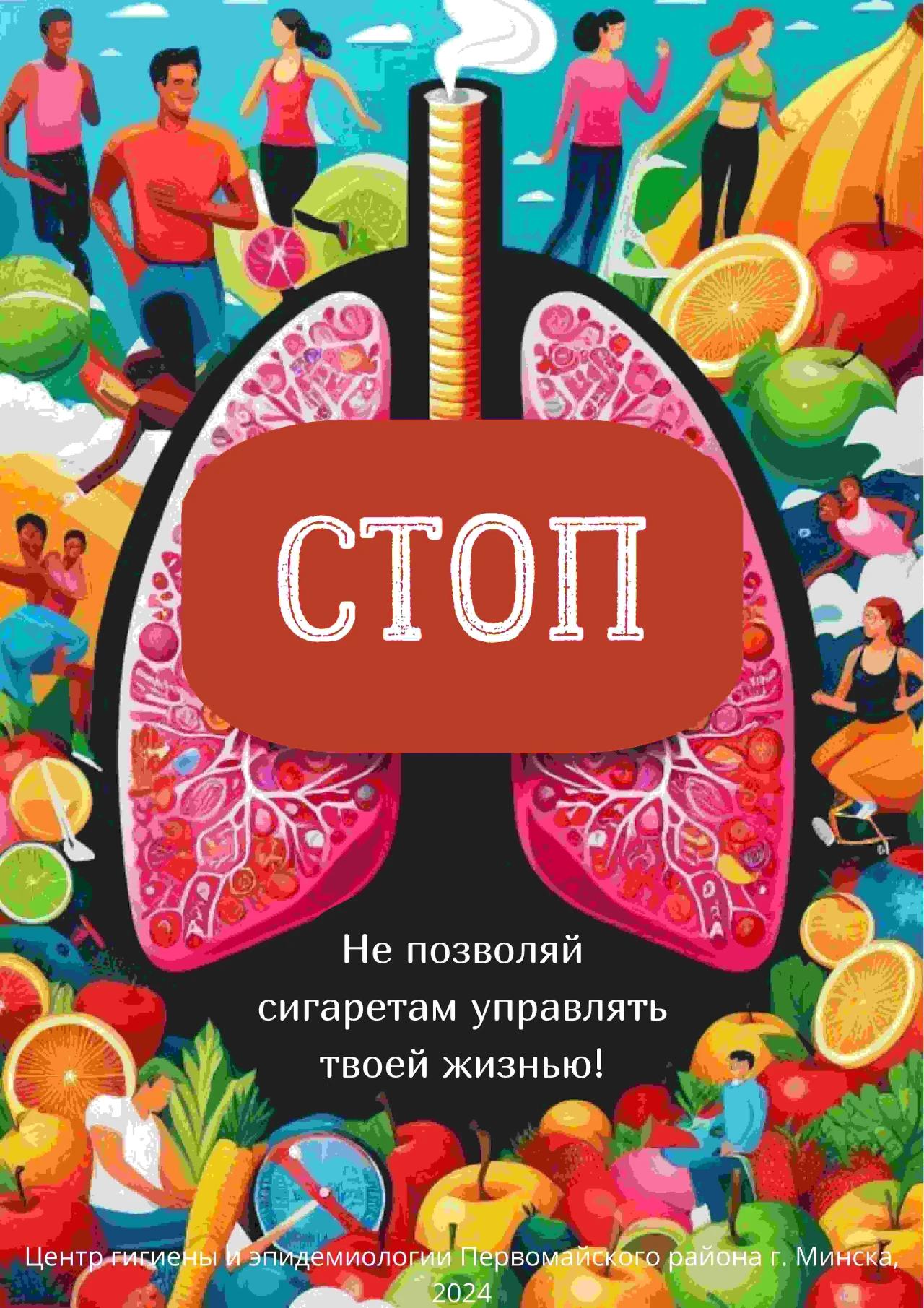
Quitting smoking at any age is justified.
There is no safe cigarette and no safe smoking. The only most effective way to reduce health risks is to STOP SMOKING!